
Digital Quality & QMS
"Our eQMS is digital, but deviations and CAPAs still crawl." The platform is digital; the work inside it is still manual. That is the gap QMS 2.0 closes.
Pharma 4.0 quality-data layer
QMS, RIM, complaints, change control and submissions on one audit-ready platform.
Predictive quality KPIs
Deviation trends, CAPA ageing and risk signals surface before the compliance threshold.
Automation and AI layer
High-volume, low-judgment steps assisted, each tool validated and audit-ready.
Intelligent eQMS core
Deviations, CAPA, change control, complaints and audit, carried with control intact.
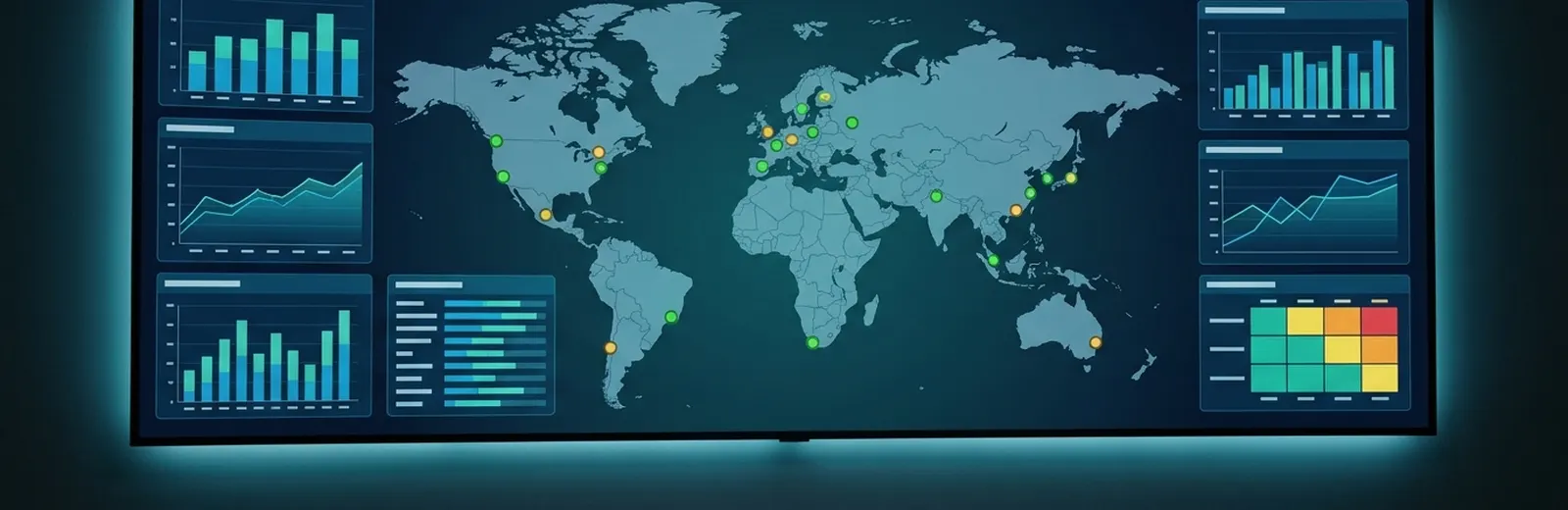
The problem in your words
You bought the eQMS. Deviations still take days to author, the same queries get re-answered, CAPAs repeat, and trends only become visible after they have become findings. The platform went live; the work inside it stayed manual. That gap is where the value sits, and I wrote about why so many programmes stop right there in Why pharma transformations stall.
What I do here
- I trace how work actually moves through your eQMS today: where deviations wait, where CAPAs repeat, where the data goes dark.
- I design the QMS 2.0 operating model across the four layers, sequenced so control never drops.
- I pick the automation and AI candidates by volume and judgment, and set the validation approach for each.
- I define the predictive KPI set and the quality-data layer that feeds it.
How I approach it
QMS 2.0 makes the quality system intelligent without losing control, in four layers. An intelligent eQMS core carries deviations, CAPA, change control, complaints and audit. An automation and AI layer assists the highest-volume, lowest-judgment steps, each tool validated and audit-ready. Predictive quality KPIs surface deviation trends, CAPA ageing and risk signals ahead of the compliance threshold. Beneath it all, a Pharma 4.0 quality-data layer connects QMS, RIM, complaints, change control and submissions into one audit-ready platform.
Automate the routine; keep human judgment on the decisions that need it. A single quality-data layer is what makes real-time governance possible.
What you get
- A QMS 2.0 blueprint across the four layers, with a sequenced roadmap.
- An automation and AI candidate map, each candidate with its validation approach.
- A predictive KPI set and the data-layer design that makes it real.
- A governance model that keeps human judgment on the decisions that need it.
From a comparable enterprise deployment
Outcomes from a global pharmaceutical client, rewritten as an anonymised engagement. No employer or client is named.
Related services
Questions leaders ask
What is digital quality in pharma?
Digital quality is the operating model where quality processes, deviations, CAPA, change control, complaints and audit, run on connected digital platforms with automation and analytics on top, so risk signals surface in days rather than at the monthly review, and every record stays inspection-ready.
What is QMS 2.0?
QMS 2.0 is an operating model with four layers: an intelligent eQMS core, a validated automation and AI layer for high-volume low-judgment steps, predictive quality KPIs, and a Pharma 4.0 quality-data layer connecting QMS, RIM, complaints and submissions on one audit-ready platform.
Where should AI go first in a quality system?
On the highest-volume, lowest-judgment steps: drafting deviation narratives, answering recurring queries from controlled sources, and surfacing similar past events before a CAPA closes. These remove manual lift without removing the human decision, they validate to a defensible risk tier, and they build the confidence to go further.
Catch the risk signal before it becomes a finding.
Book a conversation and bring your slowest process.
Book a conversation Take a free readiness assessment